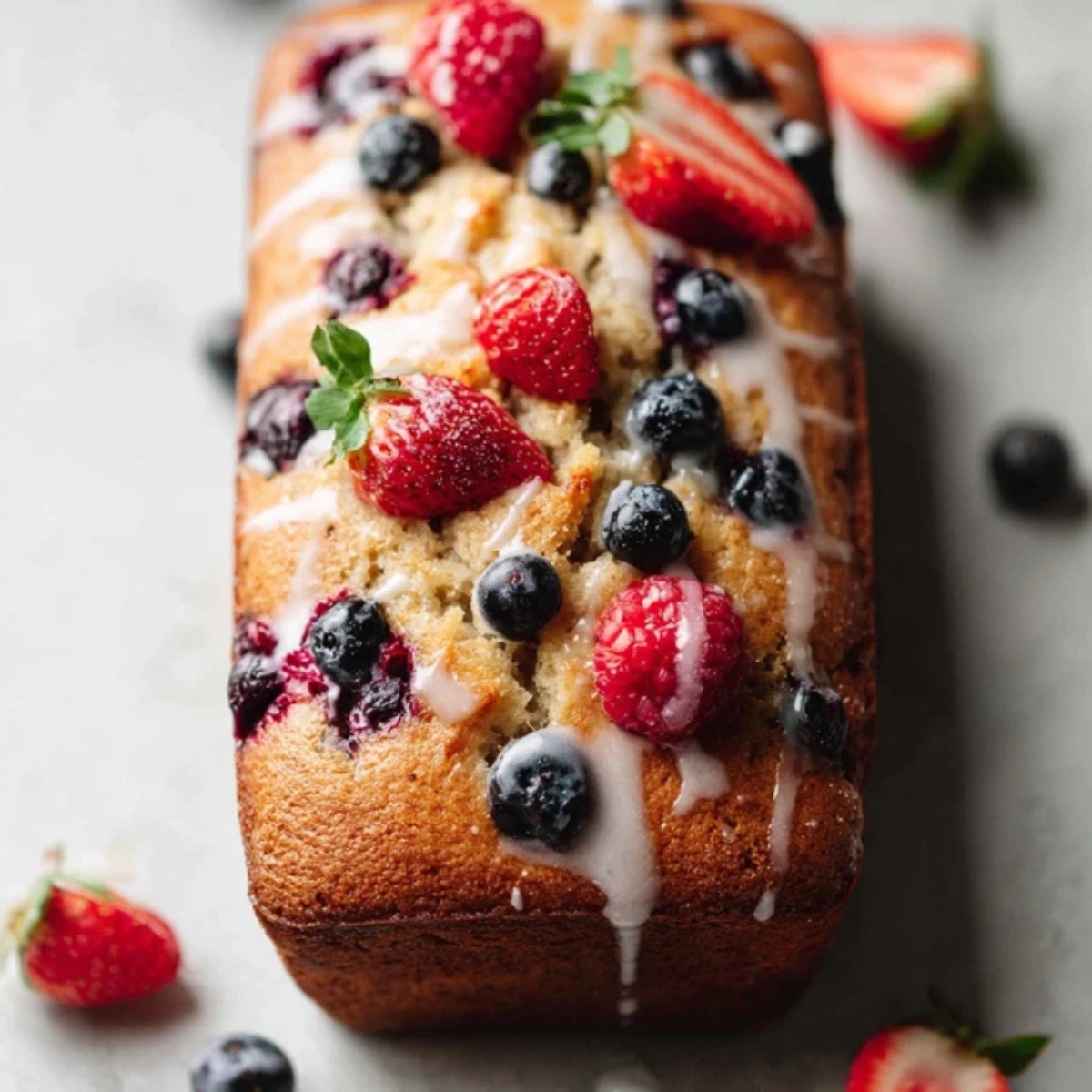
Secrets to a Moist Berry Cake: Expert Baking Tips
There are few things as delightful as a slice of homemade berry cake. The burst of juicy fruit, the tender crumb, the sweet aroma filling your kitchen – it’s a truly comforting experience. However, the joy can quickly turn to disappointment if your beautiful creation emerges from the oven dry, crumbly, or lacking that melt-in-your-mouth tenderness. Achieving a truly moist berry cake is a craft, a balance of ingredients and techniques that can elevate your baking from good to absolutely legendary. If you've ever wondered how to unlock the secret to a consistently moist and flavorful cake, you've come to the right place. We're about to dive deep into the expert tips and tricks that will ensure your next berry cake is nothing short of perfection.
Understanding Moisture: What Makes a Cake Dry?
Before we can make our cakes moist, it’s crucial to understand what often causes them to dry out in the first place. A dry cake is usually the result of one or a combination of factors related to the delicate balance of ingredients and the baking process itself.
- Overbaking: This is arguably the most common culprit. The longer a cake bakes, the more moisture evaporates, leading to a dry, sometimes tough texture.
- Too Much Flour: Flour provides structure, but too much can absorb excess liquid, resulting in a dense, dry crumb. Incorrect measurement (e.g., scooping directly with a measuring cup instead of spooning and leveling) is often to blame.
- Insufficient Fat or Liquid: Fats (like butter, oil, or sour cream) and liquids (like milk, buttermilk, or yogurt) contribute significantly to a cake's moisture and tenderness. A recipe with too little of these can produce a dry result.
- Overmixing: When flour is mixed excessively, gluten develops. While good for chewy breads, too much gluten in cakes leads to a tough, dry, and often rubbery texture instead of a delicate, tender crumb.
- Sugar Imbalance: Sugar not only adds sweetness but also acts as a humectant, attracting and retaining moisture. Too little sugar can contribute to a drier cake.
Understanding these pitfalls is the first step towards baking a perfectly moist berry cake every time.
The Foundation: Ingredients for an Ultra-Moist Berry Cake
The journey to a moist berry cake begins long before the oven preheats – it starts with selecting and preparing your ingredients. Each component plays a vital role in the final texture and tenderness.
Fats: The Unsung Heroes of Moisture
The type and amount of fat you use significantly impact your cake's moisture.
- Oil: Vegetable oil, canola oil, or even a light olive oil often yield a cake with a consistently moist, tender crumb that stays moist longer than butter-based cakes. This is because oil is 100% fat, while butter contains water and milk solids.
- Butter: While butter lends incredible flavor, it can sometimes result in a slightly drier texture. If using butter, ensure it's at room temperature for proper creaming.
- Dairy Additions: Ingredients like sour cream, buttermilk, plain yogurt, or cream cheese are fantastic for adding moisture and richness, along with a lovely subtle tang that complements berries beautifully. Their acidity also helps tenderize the gluten, leading to a softer crumb.
Sugars and Flours: Precision is Key
The interaction between sugar and flour is critical for a moist texture.
- Sugar: Granulated sugar is standard, but substituting some with brown sugar can add extra moisture due to the molasses content, as well as a deeper flavor profile. Remember, sugar also helps keep the cake fresh and prevents staleness.
- Flour: For the most tender crumb, many bakers swear by cake flour, which has a lower protein content than all-purpose flour. However, a good quality all-purpose flour can still produce excellent results. The key is to measure flour correctly: spoon it into your measuring cup and then level it off with a straight edge. Never scoop directly from the bag, as this compacts the flour and adds too much.
Eggs and Berries: Temperature and Preparation
Even eggs have a role to play in moisture.
- Eggs: Always use room temperature eggs. They emulsify better with other ingredients, creating a smoother batter and a finer, more even crumb. Cold eggs can cause the batter to curdle.
- Berries: Whether you're using fresh or frozen, proper berry preparation is crucial. For guidance on selecting the best options, you might want to explore Which Berries Make the Best Cake? A Flavor Guide. If using frozen berries, there's a trick to prevent them from bleeding too much moisture into your batter or sinking to the bottom. We'll cover that in the next section.
Technique Matters: Mastering Mixing and Baking for Moisture
Even with the perfect ingredients, poor technique can sabotage your efforts. Mastering mixing and baking methods is paramount for a moist berry cake.
Mixing Methods: Gentle is Best
The goal is to combine ingredients without overdeveloping gluten.
- Creaming Method: This involves creaming butter and sugar together until light and fluffy, then adding eggs one at a time, followed by alternating additions of dry and wet ingredients. When adding flour, mix just until combined. Streaks of flour are okay; you'll finish mixing by hand.
- Reverse Creaming Method: Some bakers prefer this for ultra-tender cakes. Here, dry ingredients (flour, sugar, leaveners) are combined first, then soft butter is added and mixed until a sandy texture forms. Finally, liquids are slowly incorporated. This method coats the flour in fat, inhibiting gluten development, resulting in an incredibly tender crumb.
- Don't Overmix: This cannot be stressed enough. Overmixing develops gluten, making your cake tough and dry. Once the dry ingredients hit the wet, mix only until just combined. A few lumps are preferable to a dry cake.
Baking with Precision: Oven Temperature and Doneness
The oven is where the magic happens, but it can also be where moisture is lost.
- Preheat Thoroughly: Always ensure your oven is fully preheated to the correct temperature before introducing the cake. Use an oven thermometer to verify accuracy, as most home ovens can fluctuate significantly.
- Correct Temperature: Baking at too high a temperature can cause the cake to set too quickly on the outside, preventing the inside from cooking evenly and potentially drying out the edges. Too low, and the cake will take too long, again risking dryness.
- Doneness Test: This is critical. A cake is done when a wooden skewer or toothpick inserted into the center comes out with moist crumbs attached, but not wet batter. The cake should also spring back lightly when gently pressed. Don't wait for a perfectly clean toothpick, as this often indicates overbaking.
- Cooling: Allow the cake to cool in the pan for 10-15 minutes on a wire rack before inverting. This allows the cake to finish setting and prevents it from tearing, while also allowing some moisture to redistribute.
Berry Bliss: Integrating Berries Without Sacrificing Moisture
Berries are the star of your berry cake, but they can pose a challenge. Their high water content can make a cake gummy or cause them to sink. Here’s how to manage them like a pro:
- Flour Your Berries: This is an old trick that works wonders. Gently toss fresh or frozen berries with a tablespoon or two of flour (or cornstarch for gluten-free recipes) before folding them into the batter. The flour creates a barrier, helping the berries suspend evenly throughout the cake and preventing their juices from making the batter soggy or coloring it excessively.
- Fresh vs. Frozen Berries:
- Fresh Berries: If using fresh, make sure they are thoroughly dry after washing. Excess water will thin your batter.
- Frozen Berries: Do not thaw frozen berries before adding them to the batter. Add them directly from the freezer, after tossing them in flour. Thawing them releases a lot of liquid, which can make your cake gummy. The colder berries also help keep the batter cool, which can further prevent over-mixing.
- Gentle Folding: Add your floured berries in the very last step, gently folding them into the batter with a spatula until just evenly distributed. Overmixing here can crush the berries, turning your batter purple and potentially releasing too much liquid.
- Don't Overload: While tempting, too many berries can introduce excessive moisture, making the cake dense and heavy, and increasing the risk of a soggy bottom. Stick to the amount specified in your recipe.
Post-Bake Perfection: Keeping Your Berry Cake Moist
The baking process is over, but the quest for moisture isn't quite finished. How you treat your berry cake after it comes out of the oven is just as important as how you made it.
- Cooling Correctly: As mentioned, let your cake cool in the pan on a wire rack for 10-15 minutes. This allows the cake to set, making it easier to handle without breaking. Then, carefully invert it onto the wire rack to cool completely. Cooling upside down can also slightly compress the cake, helping to retain moisture.
- Simple Syrup: For an extra boost of moisture, consider brushing the warm cake layers with a simple syrup (equal parts sugar and water, simmered until sugar dissolves). You can infuse the syrup with lemon zest, vanilla, or even a splash of berry liqueur for added flavor. This technique is especially effective for cakes that will be layered or frosted.
- Glazes and Frostings: A good glaze or frosting acts as a protective barrier, sealing in moisture. Cream cheese frosting, a lemon glaze, or even a simple dusting of powdered sugar can help keep the cake from drying out.
- Proper Storage: Once completely cooled, store your berry cake in an airtight container. This prevents air exposure, which is the enemy of moisture. If unfrosted, wrap the cake tightly in plastic wrap before placing it in the container. For frosted cakes, cover the serving plate with a cake dome or plastic wrap.
- Room Temperature or Refrigerated? Most berry cakes, especially those with oil and without dairy-based frostings, can be stored at cool room temperature for 2-3 days. If your cake has a cream cheese frosting or fresh cream, it should be refrigerated. Bring refrigerated cake back to room temperature before serving for the best texture and flavor.
- Freezing for Future Enjoyment: Baked and cooled berry cakes freeze beautifully. Wrap individual slices or whole cakes tightly in plastic wrap, then a layer of foil, and store in an airtight freezer bag for up to 2-3 months. Thaw overnight in the refrigerator, then bring to room temperature before serving.
Baking a moist berry cake doesn't have to be a gamble. By understanding the role of ingredients, mastering your technique, and caring for your cake post-bake, you can consistently achieve that coveted tender, juicy crumb. So, grab your apron, select your favorite berries, and get ready to bake a berry cake that will be the envy of all your friends and family. Happy baking!
